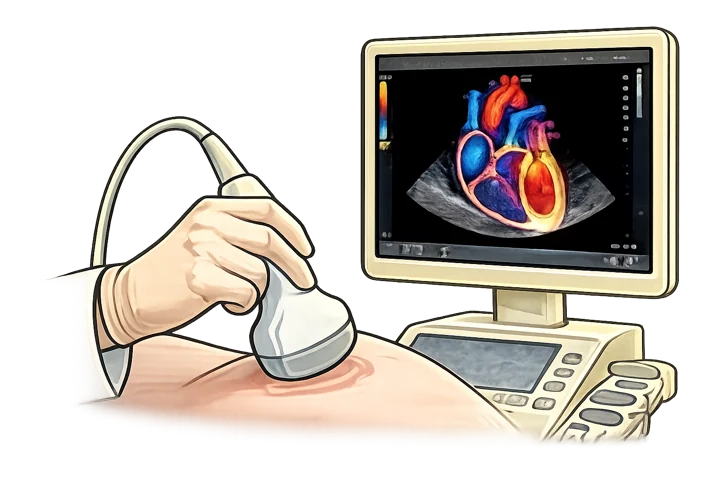
Echocardiogram
An ultrasound scan of the heart that shows the muscle, chambers and valves moving in real time. Usually the first scan, painless and quick.
First-line testNo radiationLive imaging
Choosing the test that answers your question, rather than ordering every test, gets you to a diagnosis faster. As a cardiac imaging specialist I arrange and interpret these tests myself.
Cardiac magnetic resonance (CMR) is the most detailed scan of the heart available. It uses a magnetic field and radio waves, with no X-ray radiation, to measure the size and pumping of each chamber and to look inside the heart muscle itself.
A scan usually takes 30 to 60 minutes. You lie in the scanner and are asked to hold your breath for short periods. Some scans use a contrast injection.
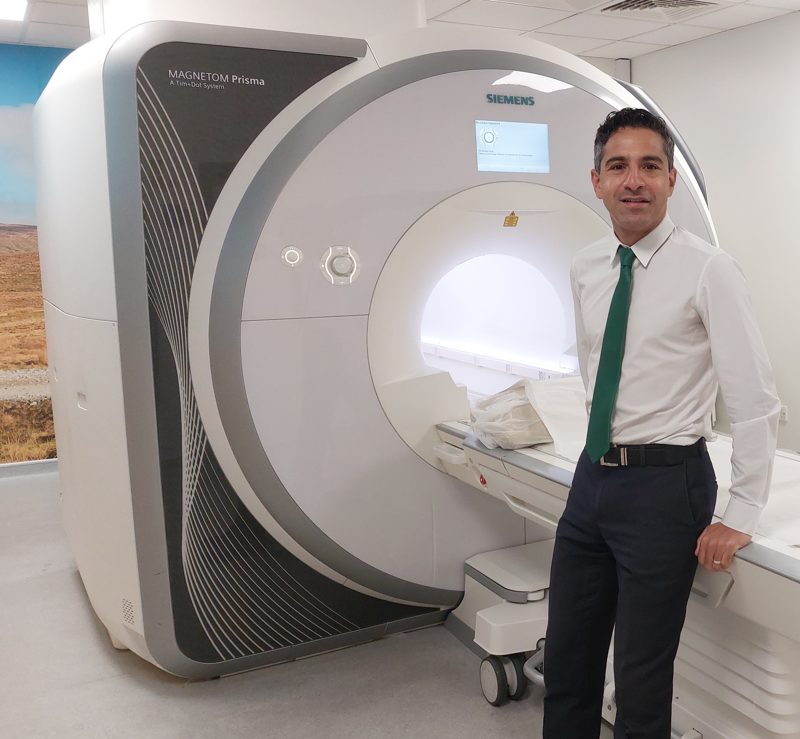
Each scan answers a different question. Choosing the right one first saves time and avoids unnecessary tests.
An ultrasound scan of the heart that shows the muscle, chambers and valves moving in real time. Usually the first scan, painless and quick.
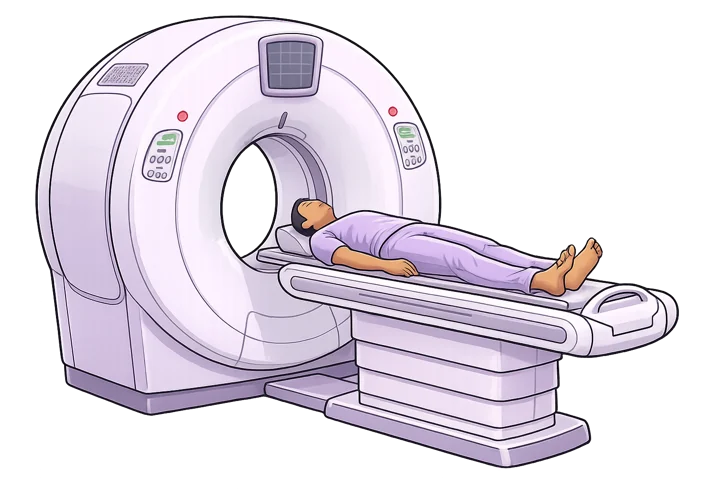
A detailed 3D picture of the coronary arteries, showing plaque and narrowings. The test that can identify coronary artery disease in many patients with new chest pain. A calcium score can also refine your future risk.
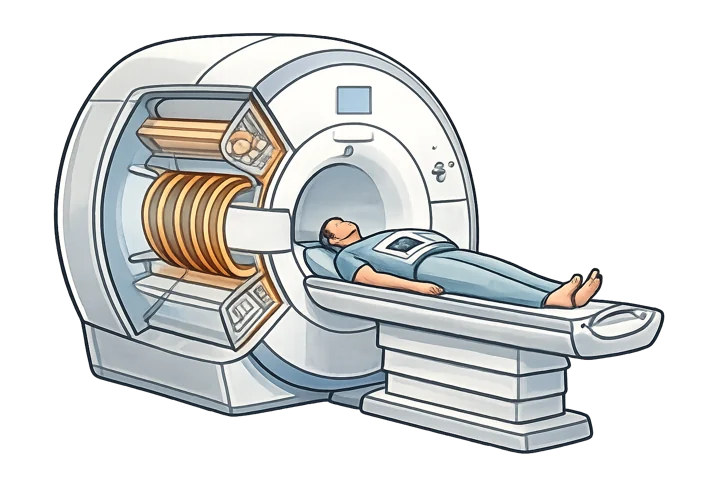
The most detailed look at the heart muscle: its pumping, size and blood flow, and changes such as scarring or inflammation.
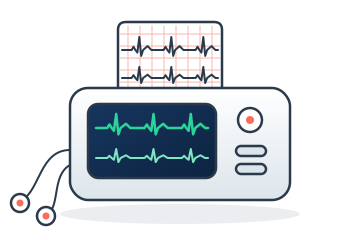
A quick, painless recording of the heart's electrical activity and rhythm. Interpreted with athlete-specific criteria where relevant.
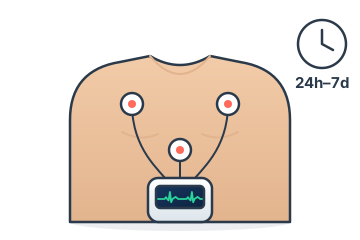
A small recorder worn for 24 hours to 7 days, or longer event monitors, to capture palpitations as they happen.
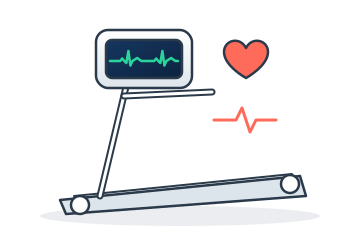
Recording the heart on a treadmill or bike to assess symptoms, rhythm and fitness, which is particularly useful for athletes.
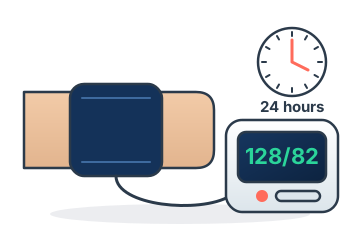
Automatic readings through a normal day and night give a much truer picture than a single clinic reading.
Including NT-proBNP for heart failure, full lipid profile and lipoprotein(a), HbA1c, kidney and thyroid function.
Arranged when a scan or stress test shows a significant narrowing and a stent or bypass may be needed.
Which tests you need depends on your symptoms and history; I will explain why each test is recommended before it is arranged.
That is what the consultation is for. We will agree the shortest route to an answer.